
In Davidsonville, Annapolis, Arnold, and throughout Anne Arundel County, hardscapes create permanent outdoor structures that handle Maryland weather and clay soil. Hardscapes encompass all masonry work—patios, walls, walkways, fire features, and outdoor kitchens. Transform your outdoor spaces with durable stone and paver construction. Schedule a consultation to discuss your property’s potential. As experienced landscapers, we integrate hardscape elements into complete outdoor living designs.
What are Hardscapes in Davidsonville, MD?
Hardscapes are permanent outdoor structures built from stone, pavers, concrete, and masonry materials. In Davidsonville, hardscapes include any constructed element like patios, walls, walkways, and fire features. These structures complement plantings and create functional outdoor spaces that last decades.
Common types include:
- Patios and entertainment areas using pavers or natural stone
- Retaining walls and sitting walls that manage slopes and define spaces
- Walkways, fire features, and outdoor kitchens built with masonry materials

Hardscapes Create Permanent Outdoor Structures That Replace Temporary Solutions
Wood decks rot and require replacement every 10 to 15 years. Gravel paths scatter across your yard after heavy rain. Concrete slabs crack from freeze-thaw cycles and settling soil.
Hardscapes solve these problems with stone and masonry construction. Pavers, natural stone, and engineered block don’t rot, decay, or fail from weather exposure. You install once and use the space for decades without structural repairs.
Davidsonville’s humid summers and freeze-thaw winters accelerate wood deterioration. Clay soil and drainage challenges require permanent solutions, not temporary fixes. Properties throughout Davidsonville, Annapolis, and Severna Park benefit from hardscape investments that define outdoor spaces and create clear transitions between lawn areas.
Permanent improvements also increase property value. Buyers recognize quality masonry work and appreciate outdoor spaces that won’t need immediate replacement. Your hardscape investment pays returns both in daily use and resale appeal.
Quality Hardscape Construction Requires Proper Base Preparation in Anne Arundel Soil
Proper installation starts below the surface. Excavation depth and base materials determine whether your hardscape remains level or settles and shifts over time.
We excavate 8 to 12 inches depending on soil type and project requirements. Anne Arundel County’s clay soil expands and contracts with moisture changes, one of several common soil problems in Maryland identified by the University of Maryland Extension. Adequate base depth accommodates this movement without affecting the surface structure.
Crushed stone base material goes down in layers. Each layer gets compacted with professional equipment before the next layer adds. Proper compaction creates a stable foundation that won’t shift under weight or weather conditions.
Grading directs water away from structures and prevents pooling. Clay soil drains poorly, so surface water management becomes critical during base preparation. We slope the base to move water toward drainage areas, not toward your home or planted beds.
Quality installation maintains structural integrity through Maryland’s weather extremes. Correct methods prevent the settling, sinking, and separation problems common with rushed or inadequate base work.
Hardscape Materials Include Natural Stone, Pavers, and Manufactured Block
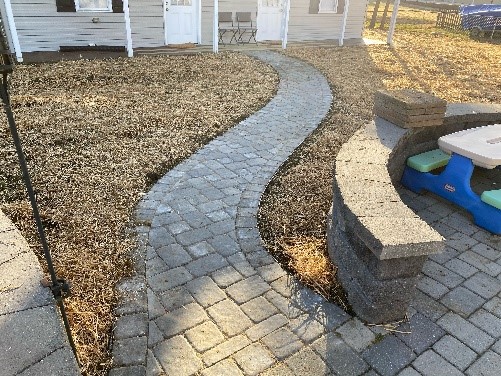
Different materials suit different applications, budgets, and design styles. Understanding your options helps focus planning conversations and clarifies what works best for your property.
Natural stone from regional quarries provides authentic Mid-Atlantic character that complements Anne Arundel County’s architectural styles from historic Annapolis to estate properties in Davidsonville. Bluestone, flagstone, and granite offer unique color variations and textures. Each piece differs slightly, creating custom appearances that can’t be replicated. Stone works well for patios, walkways, and wall veneers where natural aesthetics matter most.
Concrete pavers offer consistent dimensions and wide design flexibility. Manufactured pavers come in specific sizes, colors, and patterns. This consistency simplifies installation and allows intricate layouts. Pavers suit patios, driveways, and pool decks where uniform appearance and predictable performance matter.
Manufactured block serves structural applications like retaining walls and sitting walls. These engineered units provide reliable strength and interlocking stability. Block systems handle significant loads and soil pressure better than natural stone in many wall applications.
Material selection affects both initial investment and long-term maintenance needs. Each material type offers distinct advantages for Maryland climate and conditions. Your property’s style, intended use, and budget guide which materials make the most sense for your project.
Davidsonville Properties Benefit from Integrated Hardscape and Landscape Design
Hardscapes and plantings work together to create complete outdoor spaces. Planning both elements at once produces better results than installing each separately over time. Our planting services in Davidsonville complement hardscape installations to create cohesive outdoor designs.
Unified design creates seamless transitions between constructed and planted areas. Stone edges meet planting beds at logical points. Walkways connect to patios with proper sight lines and flow. Trees and shrubs soften hardscape edges without interfering with structure or drainage.
Single team coordination eliminates conflicts between hardscape and landscape elements. We account for mature tree roots when planning paver locations. Drainage solutions work for both stone surfaces and planted beds. Utility lines, septic systems, and irrigation get mapped before any excavation begins.
Properties throughout our service area—from large Davidsonville estates to waterfront homes in Edgewater and Annapolis—require thoughtful planning to connect spaces. A patio near the house needs visual and physical connection to distant yard features. Retaining walls create level zones that planting beds can then define and enhance. Architectural styles throughout Anne Arundel County—from historic Annapolis to Severna Park colonials—influence both material selections and plant choices for cohesive results.
Phased installation plans allow budget flexibility while maintaining design integrity. You can install hardscapes first to establish structure, then add plantings in following seasons. The overall design remains intact even when construction happens in stages.
Hardscape Projects Address Drainage, Erosion, and Property Grade Challenges
Sloped yards and water problems limit how you can use your property. Hardscape structures solve these issues while creating functional outdoor spaces.
Retaining walls stabilize slopes and create usable level areas. Many waterfront properties in Annapolis, Edgewater, and Arnold have significant grade changes, while hillside lots in Crofton and Davidsonville present similar challenges. Engineered walls hold soil in place and transform steep terrain into terraced zones for patios, gardens, or lawn areas.
Proper grading integrated with hardscapes redirects water flow and prevents property damage. Heavy Maryland rainfall events require adequate drainage planning. We slope surfaces away from foundations and toward drainage areas. Swales, catch basins, and permeable materials manage water before it causes erosion or flooding.
Clay soil’s poor percolation makes surface water management critical. Water doesn’t soak in quickly, so it runs across the surface and collects in low spots. Hardscape projects include grading solutions that move water efficiently without creating new problem areas.
Structural elements also prevent erosion damage affecting foundations or landscaping. Walls stop soil from washing downhill. Stone surfaces replace bare dirt zones where vegetation won’t establish. These solutions protect your property investment while reclaiming wasted yard space on challenging terrain.
Professional Hardscape Installation Protects Your Davidsonville Property Investment
Hardscape projects represent five- or six-figure investments in your property. Professional installation ensures correct methods that prevent costly repairs and provide decades of trouble-free use.
Experienced contractors understand local soil conditions and building requirements. Anne Arundel County regulations may require permits for certain structures like tall retaining walls or projects affecting drainage patterns. We handle permit applications and inspections when needed for your project.
Underground utilities, wells, and septic systems are common throughout our service area. We locate and mark these elements before any excavation begins. Damaging buried lines creates expensive repairs and project delays. Professional teams protect existing infrastructure while installing new hardscapes.
Access challenges on properties—from Davidsonville estates to waterfront homes in Annapolis and Arnold—require specialized equipment and planning. Heavy machinery must reach work areas without damaging lawns, driveways, or existing landscaping. We plan equipment routes and use protection methods that minimize property disruption during construction.
Quality installation also includes proper drainage integration and long-term stability planning. Shortcuts in base preparation or grading create problems that appear months or years later. Correct methods cost more initially but eliminate the settling, cracking, and water damage that lead to complete reinstallation.
Frequently Asked Questions
What’s the difference between hardscapes and landscaping in Davidsonville?
Hardscapes are permanent structures built from stone, pavers, and masonry materials. Landscaping includes plantings, mulch, soil amendments, and living elements like shrubs and trees. Both work together in complete outdoor designs—hardscapes provide structure and function while plantings add color, texture, and seasonal interest.
How long do hardscapes last in Maryland weather?
Properly installed hardscapes last 25 to 50 years or more with minimal maintenance. Quality depends on correct base preparation and material selection for local climate conditions. Maryland’s freeze-thaw cycles and clay soil require adequate excavation depth and proper drainage to maintain long-term structural integrity.
Can hardscapes be installed on properties with slopes or drainage issues?
Yes, hardscape structures like retaining walls specifically address grade changes and water management problems. Professional design incorporates engineered solutions that stabilize slopes and redirect water flow. Many challenging properties benefit most from hardscape installations that solve existing issues while creating usable outdoor spaces.
What hardscape projects make sense for Anne Arundel County properties?
Common projects include patios for entertaining, retaining walls for slopes, walkways for access between spaces, and fire features for year-round outdoor use. Your choice depends on property needs, existing challenges, and how you want to use your outdoor areas. Properties throughout Annapolis, Davidsonville, Arnold, Crofton, Edgewater, and Severna Park often benefit from multiple hardscape elements that define and connect different zones.
When should hardscapes be installed during a landscape project?
Hardscapes typically install first to establish structure and grading. This sequence allows proper excavation, base preparation, and drainage work without damaging completed plantings. Once hardscape elements are in place, we add plantings to soften edges, provide privacy, and complete the overall design.
Do Davidsonville hardscape projects need county approval?
Most residential hardscapes don’t require permits from Anne Arundel County. Exceptions include tall retaining walls over certain heights, structures placed near property lines, or projects that affect existing drainage patterns. We determine permit requirements during project planning and handle any necessary applications.