
Builder-grade shrubs block windows, crowd siding, or simply die within a few years. It’s one of the most common problems we see on Davidsonville and Edgewater properties.
Foundation planting work covers full removal, soil prep, and custom plant installation around your home’s base. We select plants for your home’s style, Anne Arundel’s growing conditions, and real four-season curb appeal — deer resistance included. Start with a free on-site consultation.
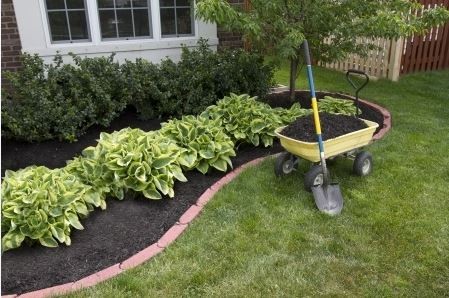
What are good foundation plantings in Davidsonville, MD?
Foundation plantings are low-to-mid-height shrubs, ornamental grasses, and perennials installed at a home’s base to frame the structure and add year-round curb appeal. The best choices for Davidsonville homes tolerate clay soil, resist deer, and stay proportional at full maturity. Spring and fall are the preferred installation windows in Anne Arundel County.
- Deer-resistant shrubs — inkberry holly, knock out roses, native spirea
- Low growers under 36 inches at mature height that won’t block windows
- Bay-friendly natives — Virginia sweetspire, beautyberry, native azalea
Your Foundation Plantings Are Telling You Something — Here’s What to Look For
Most foundation plants in Davidsonville were chosen by builders for cost, not longevity. After 5 to 15 years, the signs show up: shrubs growing into siding, roots too close to the foundation, bare patches where plants failed in poorly drained clay soil.
Poor drainage is the leading cause of foundation plant failure in Anne Arundel County. Before we recommend removal or a refresh, we assess plant health, root placement, and how water is moving through your beds. Catching problems early prevents foundation moisture issues and much larger costs down the road.
Choosing the Right Foundation Plants for Davidsonville Homes

Replacing dead or overgrown plants is an opportunity to get it right the second time. That means selecting species sized for their mature height, spaced away from your siding, and matched to your actual sun exposure — not what looks good at the nursery in spring.
Chesapeake Bay-friendly native species perform well across Anne Arundel County. They’re drought-tolerant once established and require less upkeep year to year. We put together a short, specific plant list for your home — not 50 options that create more confusion and slow down the decision.
Plants That Cause Problems Near a Home’s Foundation
On older Davidsonville properties — and many in Annapolis and Severna Park — it’s common to inherit plantings from a previous owner. English ivy, wisteria, and large-root shrubs appear frequently. Left in place, they work into siding, disrupt drainage, and create real structural problems over time.
Knowing what to remove before new installation protects your foundation long-term. We identify problem plants during the site assessment and remove root balls cleanly — not just cut back at the surface. That prevents regrowth and gives new plantings a clean start in properly amended soil.
Deer-Resistant Foundation Plantings That Hold Up in Anne Arundel County
Deer are a serious problem in Davidsonville and rural Anne Arundel County. Most standard foundation plants — arborvitae, yews, hostas — are stripped within a season on properties bordering wooded areas. Replacing the same plants twice is a cost no one wants to repeat.
If you’re researching options on your own, resources like the Master Gardeners of Northern Virginia deer-resistant plant list can give you a starting point for plants deer tend to leave alone.
We install species with a proven track record in this county specifically. Inkberry holly, native spirea, ornamental grasses, and boxwood alternatives like ilex hold up where catalog favorites fail. Proper placement adds another layer of protection — the right plant in the right spot makes your beds a less appealing target and reduces how often you’re replanting.
How Foundation Planting Installation Works — Start to Finish
For homeowners in Arnold, Crofton, and across Anne Arundel County who haven’t hired a landscaper before, knowing what to expect makes the process easier. A foundation planting project follows a clear sequence: site review, plant selection, removal of existing material, soil amendment, installation, and a clean mulch finish.
Anne Arundel clay soil requires amendment before new plants go in. We also address drainage slope away from the foundation during prep — not as an afterthought. The owners are on-site throughout the project. You work directly with the people doing the work, not a subcontractor crew you’ve never met.
When to Schedule Foundation Planting in Maryland
Spring (April–May) and fall (September–October) are Maryland’s strongest planting windows. Roots establish before the stress of summer heat or winter frost — giving new plants the best chance of settling in and holding through their first full year.
Summer humidity stresses new plantings and slows establishment. Fall installs in Davidsonville give roots 6 to 8 weeks before the first frost, which is enough time to anchor in. If you’re asking whether October is too late — it isn’t, as long as installation wraps by mid-November. Spring bookings for Annapolis area properties fill early, so scheduling ahead is worth it.
Why Davidsonville Homeowners Work With Better View Landscape
We know Anne Arundel County — the deer, the clay soil, the drainage challenges, and the native species that actually perform here. Every project starts with a written proposal: plant list, spacing plan, and installation timeline. You work directly with the owners from first visit to final mulch. No rotating crews, no subcontractors, no surprises.
Frequently Asked Questions
Can I still book foundation planting installation this fall in Anne Arundel County?
Yes — September and October are strong planting months in Maryland. Roots establish before frost if installation wraps by mid-November, making fall a reliable window for Davidsonville and Annapolis area properties.
Which foundation shrubs actually resist deer in Davidsonville?
Inkberry holly, native spirea, ornamental grasses, and boxwood alternatives like ilex are proven local performers. We build your plant list around species that hold up in Anne Arundel County specifically.
Do overgrown foundation shrubs need to be fully removed before replanting?
In most cases, yes. We remove root balls cleanly to eliminate regrowth and allow proper soil amendment before new plants go in.
How far should foundation plants be placed from the house?
Most shrubs should be planted a minimum of 18 to 24 inches from the foundation. Spacing is planned for full-grown size — not nursery size.
Can you install foundation plants on the shaded north side of a house?
Yes. Shade-tolerant natives like Virginia sweetspire and native azalea perform well on shaded foundation beds throughout Anne Arundel County.
How long does a foundation planting installation take for a typical Davidsonville home?
Most single-home foundation bed projects complete in one to two days, depending on bed length and how much existing material needs to be removed.
Looking Beyond your Foundation
Foundation plantings solve the areas closest to your home, but they’re only one part of the overall picture. A complete yard landscaping plan brings everything together across your entire property—from front entry to backyard spaces.
Ready to Replace What Isn’t Working?
Spring and fall booking windows fill early. Schedule now for Davidsonville and Annapolis area foundation planting installs. We’ll assess your existing beds, walk through plant options, and provide a written proposal — no pressure.
Call us or complete the online contact form to get started. Our service area includes Davidsonville, Annapolis, Arnold, Crofton, Edgewater, and Severna Park.