
Gravel washes out after a hard rain. Muddy paths track straight into the house. Builder-grade concrete walks crack, stain, and never quite fit the property. As a walkway contractor serving Anne Arundel County, Better View installs stone and paver walkways designed for long-term stability in Maryland soil conditions. Walkways and pathways see heavy traffic across sloped lots, through side yards, and up to front entries that set the tone for everything behind them. This page covers material options, how installation actually works, and what separates a path that lasts 30 years from one that fails in five. Consultations are available seasonally. One local masonry contractor handles design and build — no subcontractors, no handoffs. We handle walkway installation for front entries, side yards, rear patios, and connecting outdoor living spaces throughout Anne Arundel County.
Different Types of Walkway Installation Require Different Design Approaches
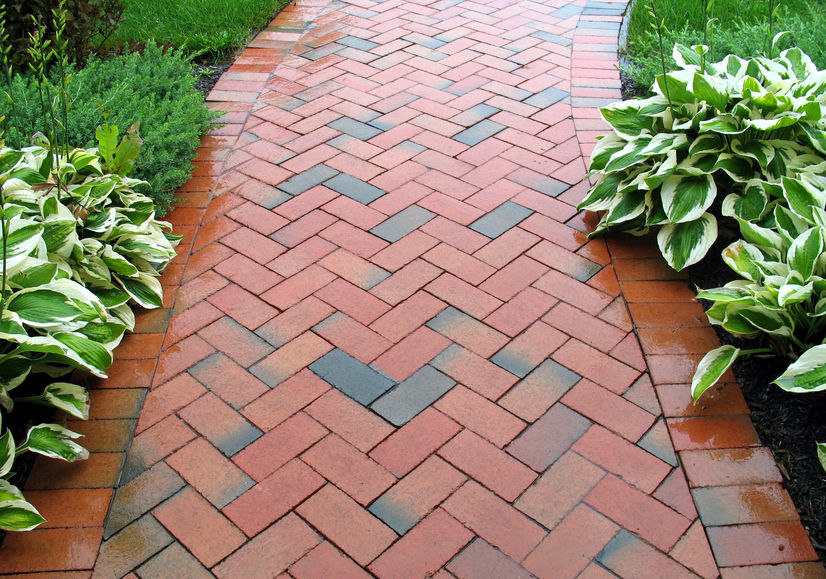
Not every path through a yard serves the same purpose — and that difference matters before any material gets chosen or any grade gets set. A walkway connects a fixed point to another: front door to driveway, gate to back entrance, garage to side door. A pathway moves through a space more loosely — through a garden bed, around a lawn, or along a rear yard. Treating them the same leads to over-engineering a casual garden route or under-building a front entry that handles daily foot traffic.
On Davidsonville’s larger lots, most properties benefit from both. A formal entry walkway handles the heavy use at the front. A secondary pathway handles circulation through a side or rear yard where the traffic is lighter and the feel can be more relaxed. Better View scopes both at the initial site visit — so nothing gets designed around a guess about how the space actually gets used.
What is the difference between a walkway and a pathway in Davidsonville, MD?
A walkway connects two fixed points — like a front door to a driveway or a gate to a back entrance. A pathway moves through a yard or garden in a less structured, often curved route.
- Walkways are typically wider, more formal, and built from pavers or stone slabs
- Pathways are narrower, more organic, and often use gravel, stepping stones, or mulch
- Both require proper grading and drainage to perform well in Anne Arundel County soil
The Right Walkway Material for Your Anne Arundel County Property Depends on Three Things
Successful walkway installation starts with choosing materials that fit both the property and Maryland’s climate. Pavers, flagstone, concrete, gravel — every option looks good in a photo. What the photo doesn’t show is how each material behaves under real conditions: the weight of daily foot traffic, water moving across a sloped lot, and ground that shifts through a Maryland winter. The right choice comes down to use, traffic load, and how the path needs to fit the home’s existing style.
Anne Arundel County’s clay-heavy soil adds another layer to that decision. Clay holds moisture and moves more than sandy or loam soils — which means materials that perform well in other regions can heave, crack, or separate here within a few seasons. Not every material that photographs well in a catalog holds up in this area.
Better View’s owners assess the site before recommending anything. That means looking at grade, drainage, soil conditions, and the home’s architecture before a single material gets suggested. Material recommendations get based on the actual site conditions — not just what looks good in a catalog.
A Properly Built Base Is What Separates a 5-Year Path from a 30-Year One
Proper walkway installation depends more on excavation, grading, and compaction than surface material alone. A path that sinks, shifts, or cracks within a few years almost always failed below the surface — not at it. Base depth, compaction, and drainage determine how a walkway holds up over time. The surface material is secondary.
Maryland’s freeze-thaw cycle puts real stress on poorly built bases. Water gets in, freezes, expands, and moves whatever is sitting on top. Proper aggregate depth and compaction aren’t optional in this climate — they’re what keeps a path level after ten winters.
Better View explains base preparation at the proposal stage. Not as an add-on, but as standard process — because skipping it is how paths fail.
On sloped properties, walkway installation often requires more than excavation and base preparation alone. Retaining wall construction creates the structure needed to support elevation changes, prevent washout, and keep the walkway stable long term.
A Well-Built Walkway in Davidsonville Adds Measurable Curb Appeal and Home Value
A defined entry path signals care before anyone reaches the front door. A crumbling walk — or no walk at all — undercuts a home that’s well-maintained in every other way. For homeowners thinking about a sale three to seven years out, that gap between interior quality and exterior appearance is worth closing now.
In Severna Park and Arnold, where comparable home values are strong, exterior hardscape details move the needle on perceived value. Buyers notice. So do guests.
Better View designs walkways to fit the architecture of the home — not just the yard. Brick colonials, stone farmhouses, and modern builds each call for different materials, widths, and joint patterns. The path should look like it belongs there.
If you’re exploring different looks, browsing walkway ideas on sites like Houzz can help you see how materials, widths, and layouts come together on real properties.
Walkway Materials That Handle Maryland’s Freeze-Thaw Cycles Outlast the Rest
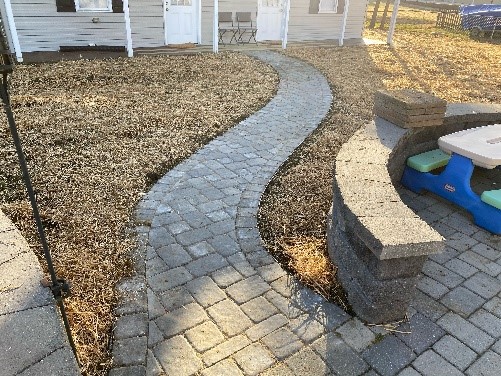
Concrete is the most common walkway material replaced by Anne Arundel County homeowners — and usually for the same reason. When it’s poured thin or installed without adequate base prep, ground movement cracks it within a few seasons. Once it goes, the whole slab goes with it.
Pavers and natural stone behave differently. Individual units move with the ground and can be reset or replaced without tearing out the entire path. That flexibility matters in a climate where hard freezes are routine and soil movement is expected.
Better View selects materials with Maryland’s climate in mind from the start — not as an afterthought. What looks right and what performs right in this region aren’t always the same thing.
Local Conditions, Local Crew, Local Accountability
Every walkway project we take on is shaped by local conditions — soil type, slope, and drainage patterns specific to Anne Arundel County. Our owners are on-site, not a crew you’ve never met. One team handles design and installation from start to finish — no subcontractors, no handoffs between companies. We’ve built walkways and pathways across Annapolis, Arnold, Edgewater, Crofton, and Severna Park — and that experience shows in how we scope and build each project.
Walkway Questions We Hear Before Every Project Starts
What lasts longer on an Anne Arundel County property — concrete or pavers?
Pavers hold up better through Maryland’s freeze-thaw cycles. When ground movement occurs, individual units shift and can be reset — the whole path doesn’t need to come out.
Is gravel a good walkway option for Anne Arundel County homes?
Gravel works well for low-traffic garden paths, and drainage is one of its strengths. For a primary entry walk, it’s not the right fit — edging is required to hold it in place and replenishment is ongoing.
How wide should a front walkway be for a home in Davidsonville?
Four feet is the minimum for single-person traffic. Five to six feet allows two people to walk comfortably side by side. Width gets factored into the site plan during the design phase.
Do walkways in Anne Arundel County need permits?
Most residential walkways don’t require a permit. Exceptions apply near property lines or when grading changes affect drainage — your contractor should flag those conditions early.
Can a new walkway be matched to an existing patio or retaining wall?
Yes. Material, color, and joint pattern are coordinated during the design process so the finished path looks like it was always part of the property.
How much does walkway installation cost in Anne Arundel County?
Walkway installation cost depends on material choice, path width, grading requirements, drainage conditions, and overall layout complexity. Straight front-entry walkways typically cost less than curved paths with steps, retaining walls, or integrated lighting. During the site visit, Better View reviews layout, slope, material options, and site access so the full project scope is clear before installation begins.
Let’s Look at Your Property Before We Recommend Anything
Every walkway installation gets planned around grade, drainage, traffic flow, and how the space connects to the rest of the property. Davidsonville and Anne Arundel County properties have specific soil and slope conditions that affect every material and layout decision. A site visit gives the clearest picture — before anything gets quoted or designed. Request a consultation by phone or through our online contact form. We serve Davidsonville, Annapolis, Arnold, Crofton, Edgewater, and Severna Park.