
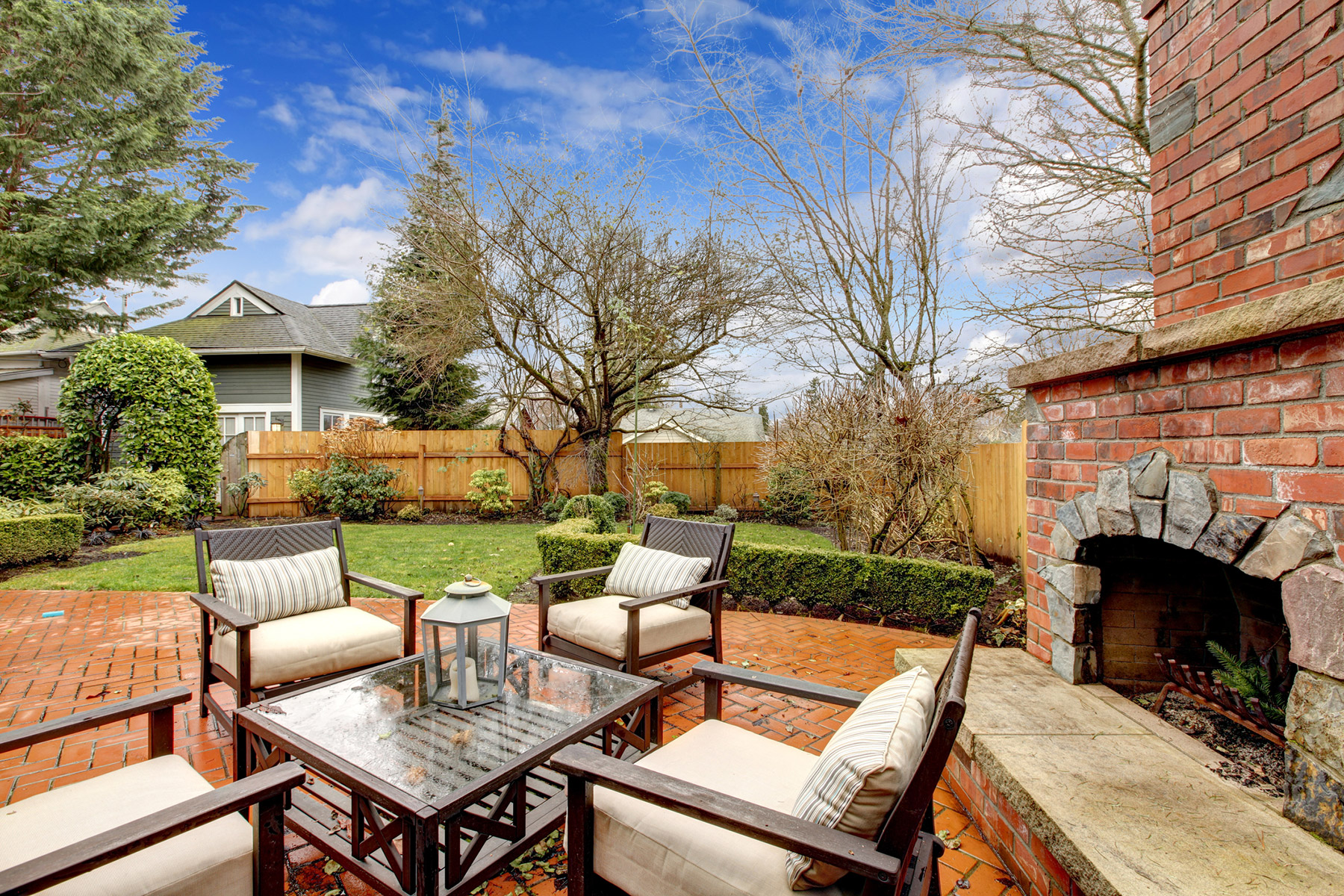
Diagnosing Cracked, Spalling, or Shifting Brick Around Annapolis
Most brick damage is a sign of something else, like water, movement, or the wrong mortar. If you fix the cause, the work lasts. If you only patch the surface, the damage usually comes back.
At Better View Landscape, we study brick damage before we pick up a trowel. We look at which way a crack runs, how wide it is, and whether it’s growing. Those clues point to what’s happening behind the face of the wall.
These signs show up on brick steps, garden walls, planters, and patio edges. Each one points to a likely cause:
- Stair-step cracks along the mortar joints. These usually mean movement below, like settling soil or a footing that’s too shallow or narrow.
- Cracks straight through the bricks. This often means the mortar is harder than the brick, so the brick takes the stress and breaks first.
- Horizontal cracks, leaning, or a bulge in a retaining wall. Wet soil behind it is likely pushing harder than the wall can handle.
- Spalling, where the brick face flakes or pops off after water soaks in, freezes, and pushes it out.
- Sandy mortar you can scrape out with a key. The joints have worn out, and water now has an easy way in.
- White, powdery stains on the surface. Water is moving through the brick and leaving salts behind as it dries.
- Loose bricks on top of steps or walls. This top row, called the cap, takes the most rain and foot traffic. It’s often the first to let go.
Water plays a part in almost every one of these. Winters in Anne Arundel County swing above and below freezing again and again. Each time trapped water freezes, it expands and opens the gap a little more. Poor drainage, a missing cap, or a sealer that traps moisture keeps brick wet, and wet brick wears out sooner.
Some damage looks worse than it is. A few worn joints on a solid garden wall is a small job. A retaining wall that’s starting to lean is a much bigger one. A hairline crack that hasn’t changed in years is also less worrying than one that now fits a coin.
Not sure which you have? Take a photo and put a pencil mark at each end of the crack. Check it again in a few months. Whether it’s holding still or moving is one of the most useful things you can tell us.
Our goal is to match the fix to the real cause. That might mean repointing worn joints, replacing a few bricks, or fixing drainage. Sometimes it means rebuilding a section on a firmer footing. Getting that match right keeps you from paying for the same work twice.
Repair Versus Rebuild: Making the Call for Arnold Homes
Once you know why the brick is failing, the choice gets easier. Surface damage on a sound footing usually calls for a repair. A failed footing or a poorly built wall usually calls for a rebuild.
A repair usually makes sense when:
- The wall or steps still stand straight and level, and only the mortar joints are worn.
- A few bricks are cracked or spalled, but the ones around them are solid.
- A crack you’ve been tracking hasn’t grown in months.
- Water damage traces back to something fixable, like a missing cap or a downspout aimed at the wall.
A rebuild is usually the better call when:
- A retaining wall is leaning, bulging, or pulling away at the top.
- Cracks keep reopening after they’ve been patched.
- The footing has sunk or was never deep enough.
- The wall has no drainage behind it, so water keeps building up.
Say you’ve got brick front steps with sandy mortar and a few loose bricks, but nothing has shifted. That’s a job for repointing and resetting. Now picture a brick wall along a sloped yard that has started to tip. New mortar won’t stop wet soil from pushing it over, so it needs a new footing and drainage.
Sometimes there’s a middle path. We take down only the failed section, fix what’s under it, and keep the rest. That can save a lot of good brick and money.
Matching matters on any brick work. New mortar should be softer than the brick, or the brick cracks first. On older brick, matching the original color and texture is part of the job.
You can read more about our approach on our masonry contractor page for Davidsonville, MD.
When Brick Work in Crofton Can Wait
Not every flaw in brick needs a mason. Some of it is just brick getting older, and some can wait a season or longer. If you’ve been watching a spot and nothing has changed, you probably don’t need to call yet.
It’s usually fine to wait on:
- A hairline crack that hasn’t grown since you marked it.
- White, powdery stains after a wet spell. The stain isn’t damage, but it means water is getting in.
- A single chipped brick on a wall that’s otherwise solid.
- A few shallow, worn joints on a low garden wall, as long as the mortar isn’t crumbling out.
- Moss on shady brick, which looks rough but isn’t a structural problem.
Simple upkeep goes a long way. Point downspouts away from brick, and keep mulch and soil off the bottom rows. Trim shrubs so the wall can dry after rain.
Timing matters too. Mortar needs steady temperatures above freezing to cure the right way. For worn joints or a few loose bricks, spring or early fall usually gets you a better result.
Planning a new patio or regrading in the next year or two? Hold off on fixing a tired brick edge or planter. Since we handle both design and build, that brick work can become part of the larger plan.
Some things shouldn’t wait. Act now on a leaning retaining wall, a loose brick on a busy step, or a crack that keeps widening.
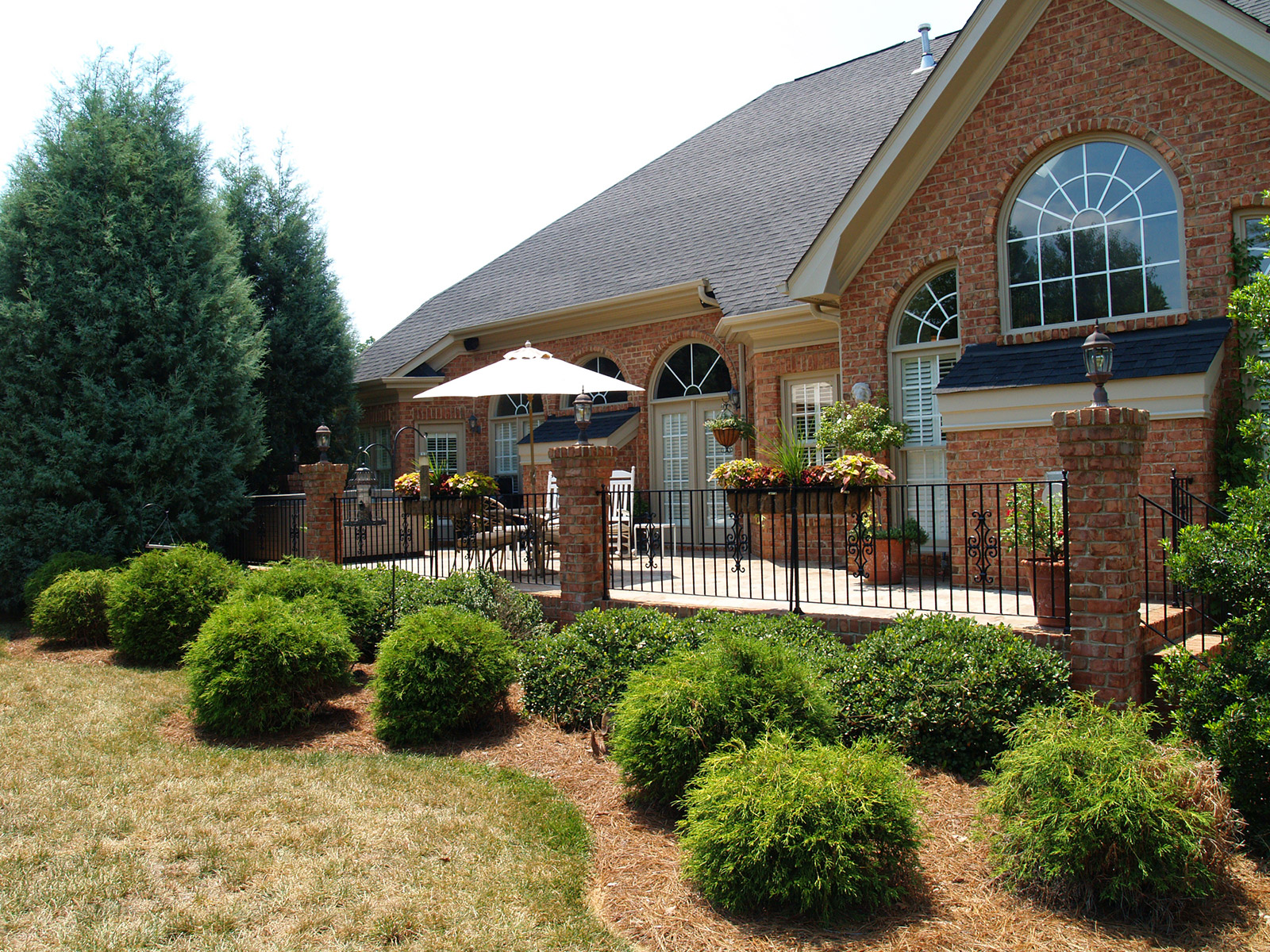
Brick Steps, Walls, and Planters as Part of an Edgewater Hardscape
Brick rarely stands alone in a yard. It’s usually part of the hardscape, which means the patios, walks, walls, and steps built from stone, brick, or pavers. The spots where these pieces meet are where trouble often starts.
Water collects at those meeting points, and two materials can settle at different rates. Brick steps coming off a paver patio are a good example. Each step has to match the patio above and the walkway below. The footings under the steps and the gravel base under the pavers should be planned together, too.
Brick can fit into a bigger outdoor project in a lot of ways:
- Sitting walls around a patio or fire pit, built at seat height.
- Raised planters with drainage, so wet soil doesn’t push on the walls.
- Steps that connect a patio, walkway, or pool deck with even rises.
- Edging that frames a patio and ties it to the house.
- Brick around an outdoor kitchen or fireplace.
- Steps and walls with built-in landscape lighting.
Design matters as much as the build. A red brick house with a gray paver patio can look great if the colors are picked on purpose. Features like sitting walls can also tie the space together while adding useful seating. We start with how you want to use the space, then choose the layout and materials.
Plantings belong in the plan too. Shrubs set too close to a brick wall hold moisture against it, and roots can push on it.
Better View Landscape is based in Davidsonville and serves Anne Arundel County. We’re a design-build team, which means one team handles both the design and the building. We’re licensed with the Maryland Home Improvement Commission, MHIC# 158957.
What to Expect From a Brick Masonry Visit in Severna Park
A good brick job starts with looking, not laying. We walk the area with you and check how rainwater moves, where downspouts empty, and how firm the soil is. Those clues point us to the real cause, not just the crack you can see.
From there, you get clear pricing, a timeline, and a scope of work. The scope spells out what gets repaired or rebuilt and how drainage will be handled. If you’re in an HOA, check its rules on brick color and wall height. Some walls and steps may also need a county permit, so ask about that early.
Before work starts, a few things help:
- Clear a path through the side gate or side yard.
- Move furniture and grills away from the work area.
- Have underground utility lines marked before any digging.
- Point out plants you care about, so we can work around them.
For repointing, we rake out old mortar to a steady depth and pack in new mortar shaped to shed water. A rebuild gets a new footing on firm ground, drainage, and a cap on top to shed water. We keep you posted at each stage.
Fresh mortar needs time to cure. Keep weight off new steps until we say they’re ready. New mortar also looks darker at first and lightens as it cures.
When the job is done, walk it with us. Joints should look even, walls straight, and steps level. If something looks off, tell us while we’re still on site.
Why Homeowners Trust Better View Landscape With Brick Work
At Better View, the owners are involved in every project. You work directly with people who care about the result. You won’t be handed off to a rotating crew or a subcontractor you’ve never met.
- One team for design and build. We plan the brick, patio, and plantings together, then build them with the same team.
- Clear pricing and timelines up front. You know the cost, the schedule, and what to expect before work starts.
- Communication you can count on. We give you timely updates and show up when we say we will.
- Local know-how. Our team is familiar with local soil, drainage, materials, and neighborhood styles, so your brick looks right and lasts.
- Craftsmanship built to last. Clean lines, solid structure, and careful details are the standard on every job.
Frequently Asked Questions
Can I repoint brick myself or should I hire a mason?
You can touch up a single worn joint yourself. Most repointing needs a mason, because the mortar has to be softer than the brick. If it’s too hard, the brick cracks instead.
How long does brick mortar take to cure after brick work?
Mortar keeps getting stronger for a while after it’s laid. Protect it from fast drying and frost, and keep weight off new steps until your mason says they’re ready.
What’s the best time of year to schedule brick repair in Davidsonville?
Spring or early fall works best. Mortar needs steady temperatures above freezing to cure the right way, so midwinter work puts it at risk.
Schedule a Free Brick Masonry Consultation in Davidsonville
Ready to find out what’s behind your cracked steps or leaning wall? Call Better View Landscape at 410-921-1100 or fill out our contact form to book a free consultation. We’ll look at the damage with you, explain the cause, and lay out clear options. We serve Davidsonville, Annapolis, Arnold, Crofton, Edgewater, Severna Park, and homes across Anne Arundel County.